Founder, Intentional Technology | Former Deputy CIO | Technology & Organizational Strategy | Creator of the S.T.O.P. Method™ Process
I help organizations make intentional technology decisions that align with their operational reality.
Founder, Intentional Technology | Technology, Operations, and Organizational Strategy
I help nonprofits make more aligned technology decisions and build stronger operational infrastructure.
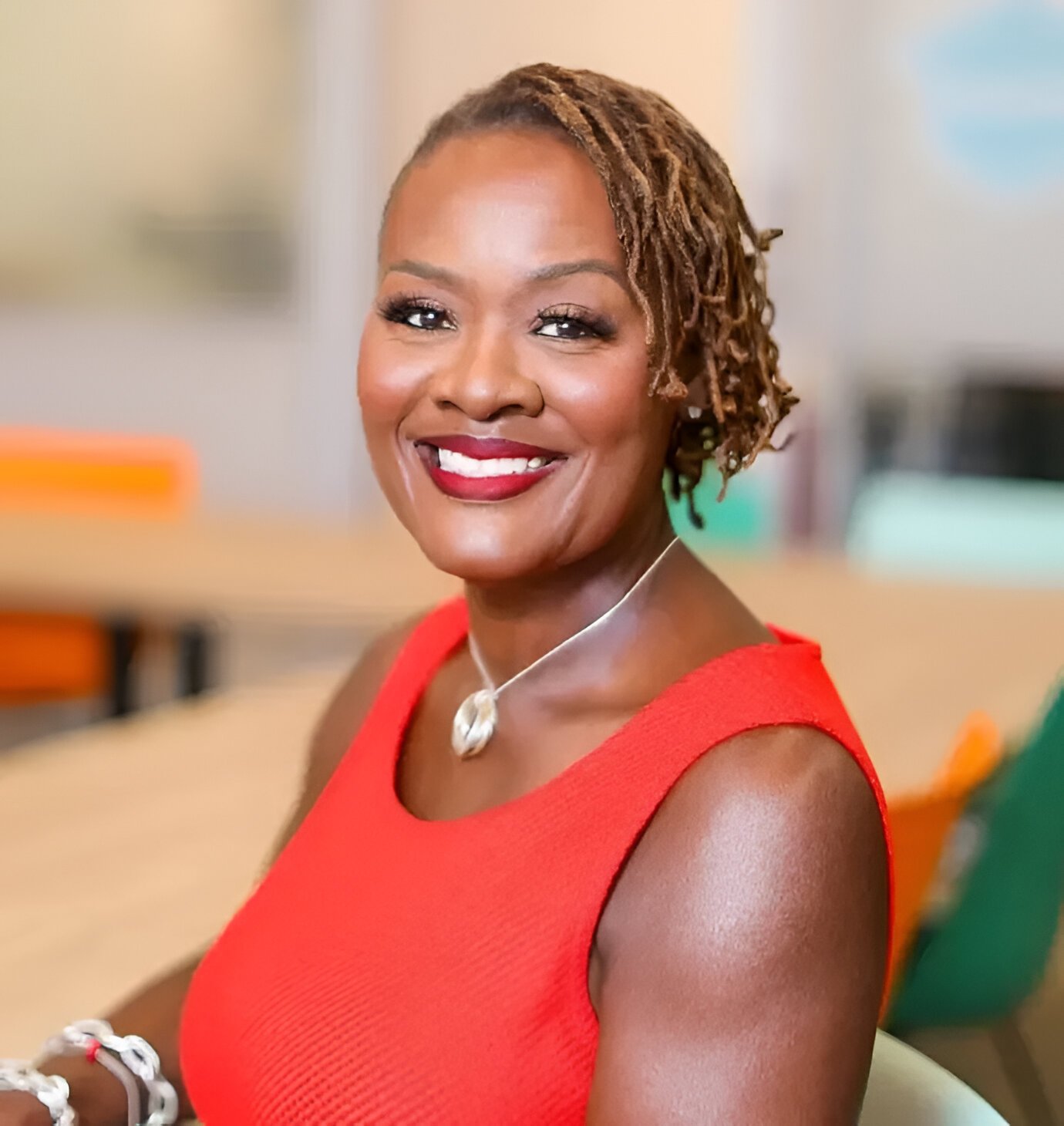
For more than 30 years, I’ve worked at the intersection of technology, operations, and organizational transformation—making consequential technology decisions across public, private, and nonprofit sectors.
I began my career as a mainframe programmer, developing and maintaining systems for the automotive and financial industries. One missed step could impact an entire organization’s operations—so I learned early to map processes, document logic, test every scenario, and never implement before understanding the flow of work.
I later served as Deputy CIO for the City of Detroit, where I coordinated large-scale technology initiatives in complex environments, including citywide technology operations supporting Super Bowl XL.
During my time at the City of Detroit, I initiated and advanced early conversations around e-government at a time when residents had no meaningful way to interact with government online—including paying property taxes digitally. I convened internal departments and external partners to challenge existing assumptions and define what accessible, online government services could look like. While full implementation came years later, that work established the operational foundation and direction.
I’ve also held C-Suite leadership roles at Fortune 500 companies and a Unicorn startup, and owned a technology staffing company.
I hold an advanced degree in Organizational Development, which grounds my work in how organizations actually function—across people, processes, incentives, and decision-making structures. Throughout this work, I’ve seen a consistent pattern: technology decisions that overlook people and processes carry real operational and financial consequences.
For more than 30 years, I’ve worked at the intersection of technology, operations, and organizational transformation across public, private, and nonprofit sectors.
I began my career as a mainframe programmer, where I learned early that technology only works when the underlying logic, process, and flow of work are understood. That foundation shaped how I approach every system decision to this day.
I later served as Deputy CIO for the City of Detroit, leading large-scale technology initiatives in a complex public-sector environment, including citywide technology operations supporting Super Bowl XL. I also helped advance early e-government planning at a time when digital access to city services was still taking shape.
Over the years, I have also held senior leadership roles across corporate, startup, and nonprofit environments. Across every sector, I kept seeing the same pattern: organizations investing in technology before they had enough clarity about workflows, capacity, decision-making, and operational reality.
I founded Intentional Technology to help organizations make better decisions before investing in systems that don’t fit how they actually work.
That work began through what became the S.T.O.P. Method™ — Selecting Technology while Optimizing Processes — a disciplined, process-first approach to understanding what problem truly needs to be solved before selecting technology.
Over time, that same commitment to operational clarity also led to GrantSteward™, a product built to help organizations manage grant requirements, deadlines, spending caps, and compliance with more structure and visibility.
Together, these solutions reflect the same belief: organizations deserve stronger infrastructure behind the mission-critical work they carry every day.

After leaving the City of Detroit, I owned a technology staffing company where I supported organizations implementing technology across multiple sectors.
While working with Michigan public health agencies through HITECH Act compliance and EHR implementation, I formalized a disciplined way of working under fixed mandates and constrained
resources. That work required slowing down, mapping processes, testing assumptions, and designing operations that could be sustained before selecting technology.
That is where S.T.O.P. Method™—Selecting Technology while Optimizing Processes—was formalized.
From there, the methodology expanded beyond healthcare to 50+ organizations across government, nonprofit, and private sectors. The pattern was consistent: organizations were implementing technology
before achieving alignment on operational reality, spending millions on software that didn’t solve the real problem because they hadn’t understood how work actually happened.
I founded Intentional Technology to bring this methodology to organizations navigating technology decisions.
The S.T.O.P. Method™ Process starts with understanding current workflows. Process optimization alone solves 60-70% of the problems organizations think they need software to fix. When technology IS needed, optimized processes ensure much higher implementation success rates
Intentional Technology provides clear recommendations—when you shouldn’t buy technology, when you should wait, or when a simpler solution would work better. The goal is your success, not maximizing consulting fees or software sales.
I’ve been in your chair. I’ve made these decisions with my own budget, my own team, and my own accountability for outcomes. I understand the executive pressure, stakeholder politics, and real-world constraints you’re navigating.
Intentional Technology doesn’t sell software. We help organizations stop, think, and choose intentionally — so technology supports the work instead of exhausting the people doing it.


I’m the founder of Sisters Code, now in its 13th year, with a mission to “Awaken the Mature Geek.” Through Sisters Code and AI for Aunties, thousands of Gen X+ women have been empowered to enter the field of technology, learn tech skills, and embrace AI with confidence.
I’m also the author of “My Peace Is Non-Negotiable”—a book for Gen X+ women reclaiming their peace, power, and purpose. All of my work centers on helping people and organizations make intentional choices that serve their goals, not someone else’s agenda.
I am also the founder of Sisters Code, now in its 13th year, with a mission to awaken the mature geek and empower Gen X+ women through technology education and confidence-building.
Across all of my work, the through-line is the same: helping people and organizations make intentional choices that align with who they are and where they want to go.

Before your next technology investment, let’s pause and talk.